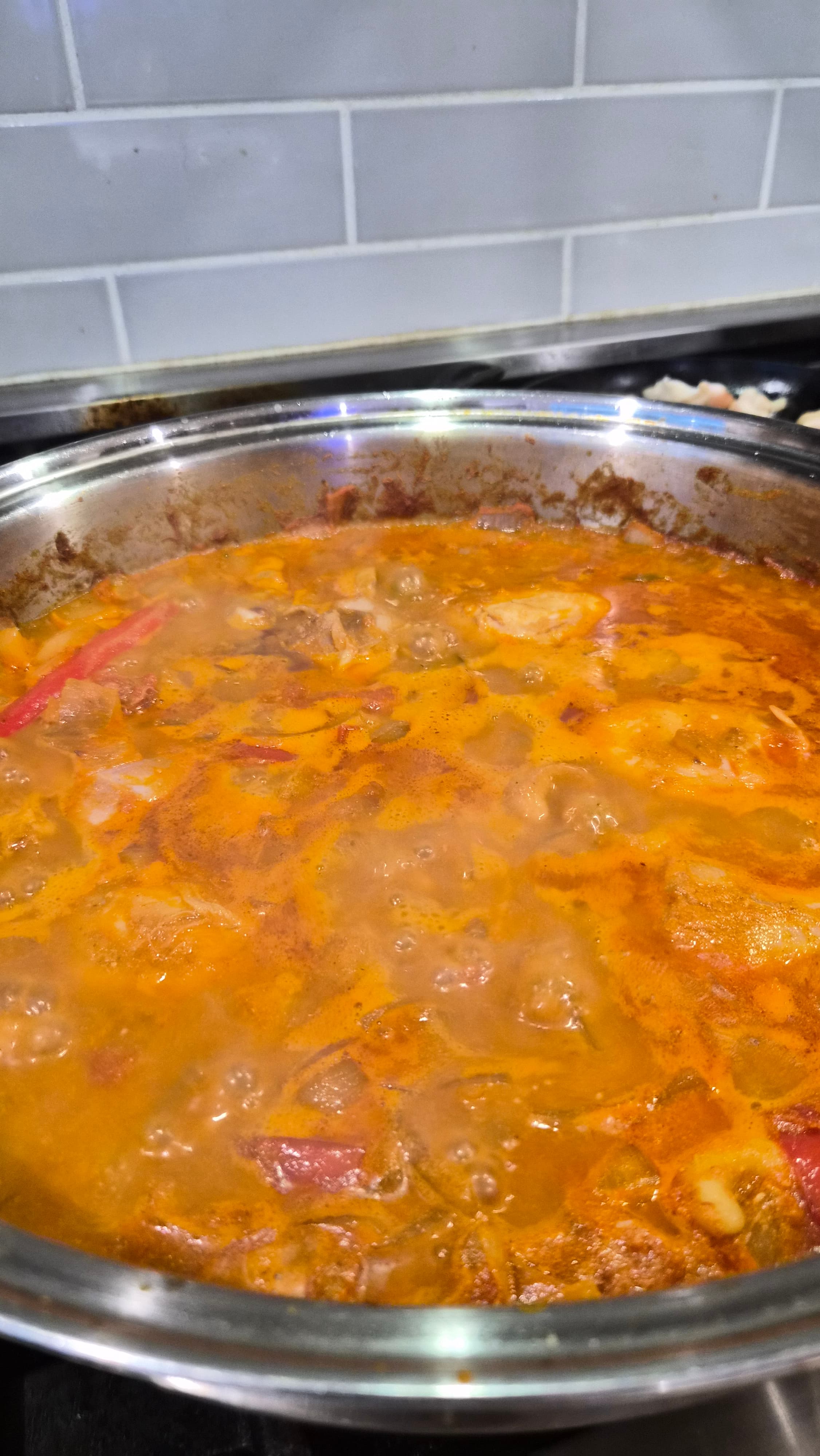
Butter chicken kabsa at the simmer — one of three dishes they'd never made before.
Blog
"It Looked Good, So I Wanted to Make It": It Wasn't Confidence for Them. It Was Something Else Entirely.
We wrote before about the biggest thing standing between people and their kitchens: confidence. Eight out of ten people who want to cook more, don't — and when we asked why, most people didn't reach for excuses. They reached for one word. Confidence.
Then I watched my own Gen Z crew take on dishes they'd never made before, and confidence wasn't the story at all.
The dishes were jeyuk bokkeum, kimchi jjigae, and butter chicken kabsa — nothing simple, nothing they'd made before. What struck me wasn't their skill. It was their complete lack of the instinct I have, where I look at a recipe and mentally sort it into "doable" or "not for me" before I've even read the ingredient list.
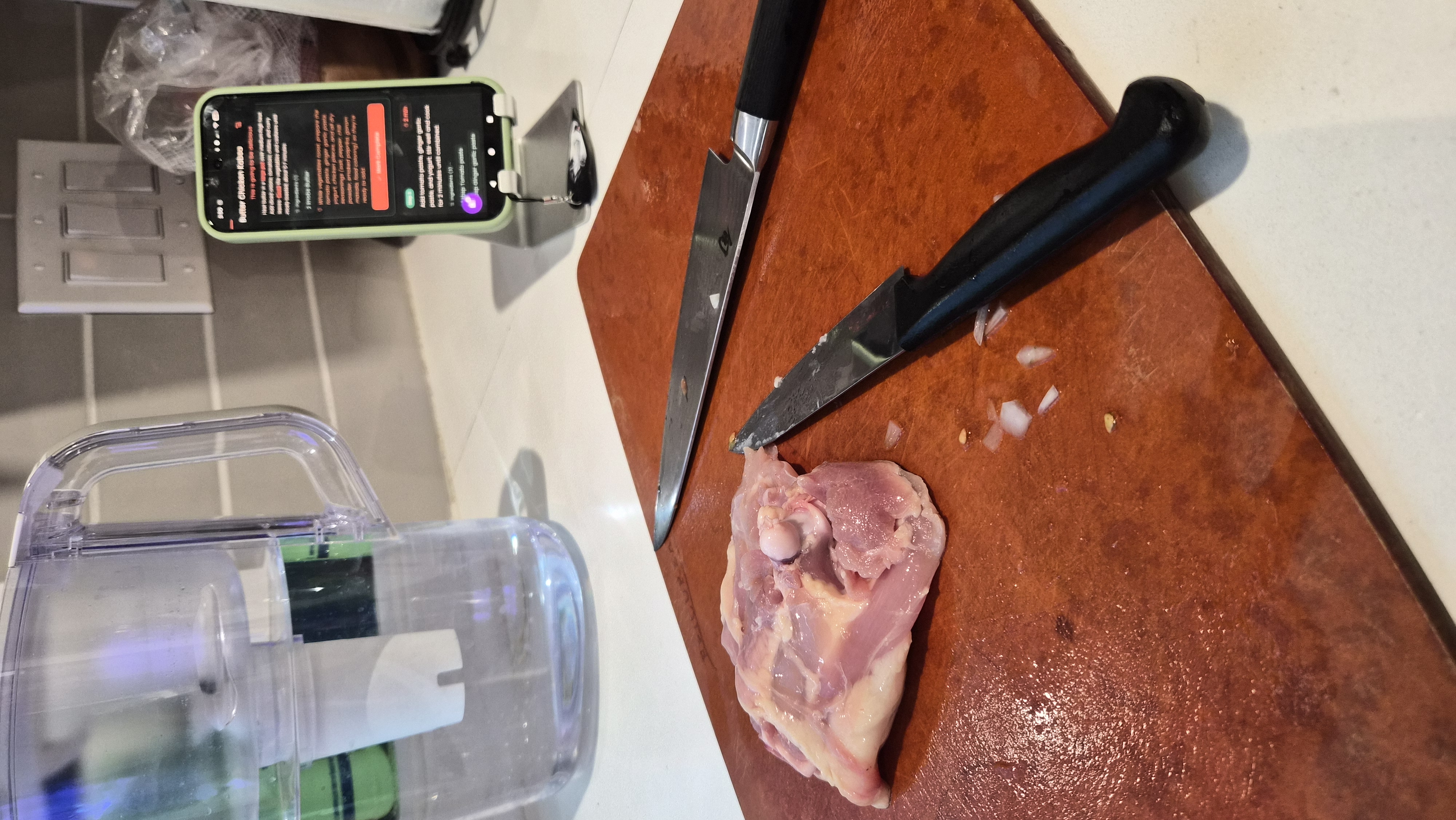
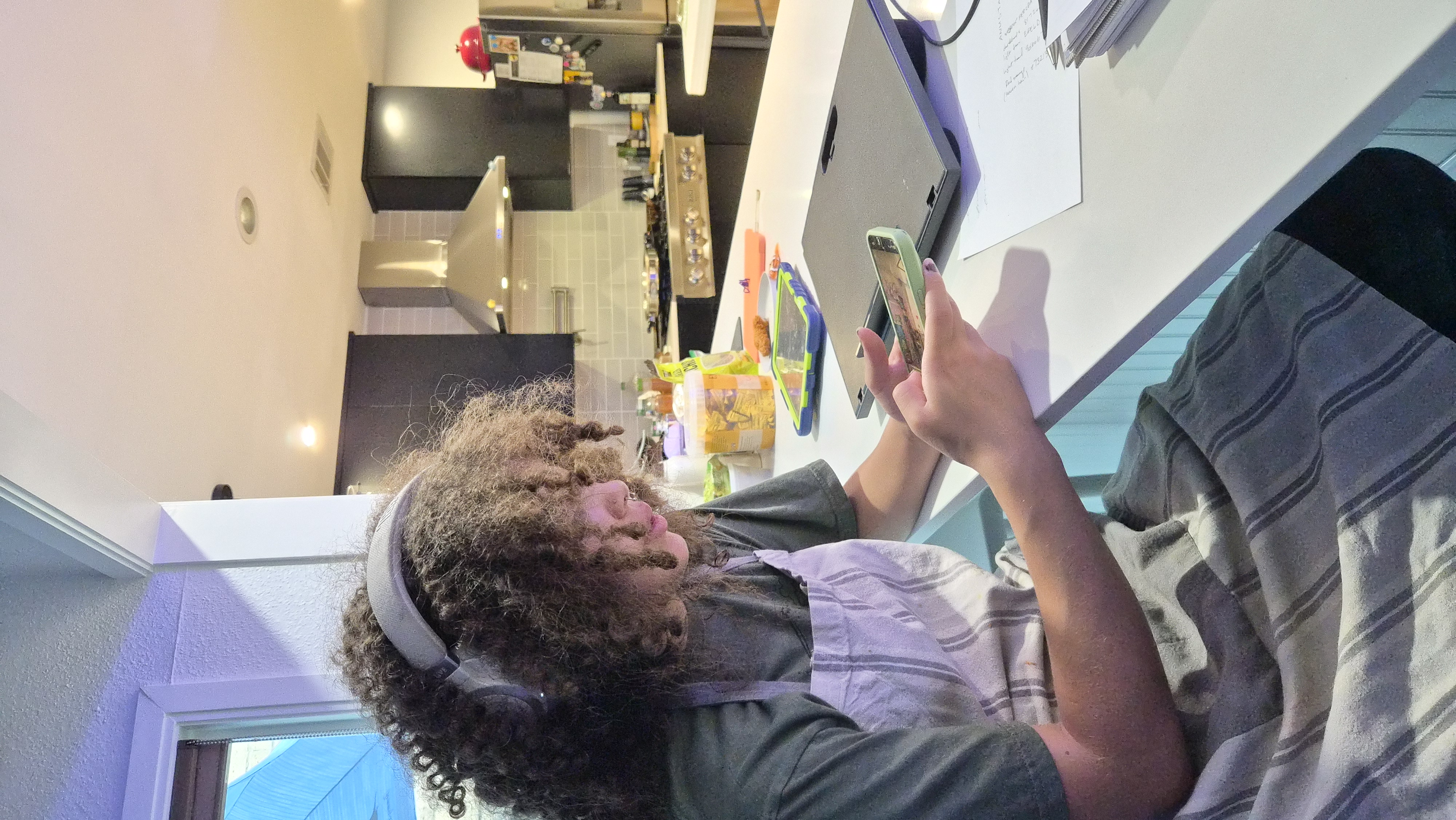
Their reaction to a hard recipe wasn't "this looks difficult." It was "this looks good, I want to make it." They opened the video, watched it once, went and got ingredients. Watched it a second time to catch which pan to use. Watched it a third time to nail down exactly what a written step meant in practice. It was iterative, almost researcher-like — bouncing between the written recipe and the video until the two lined up.
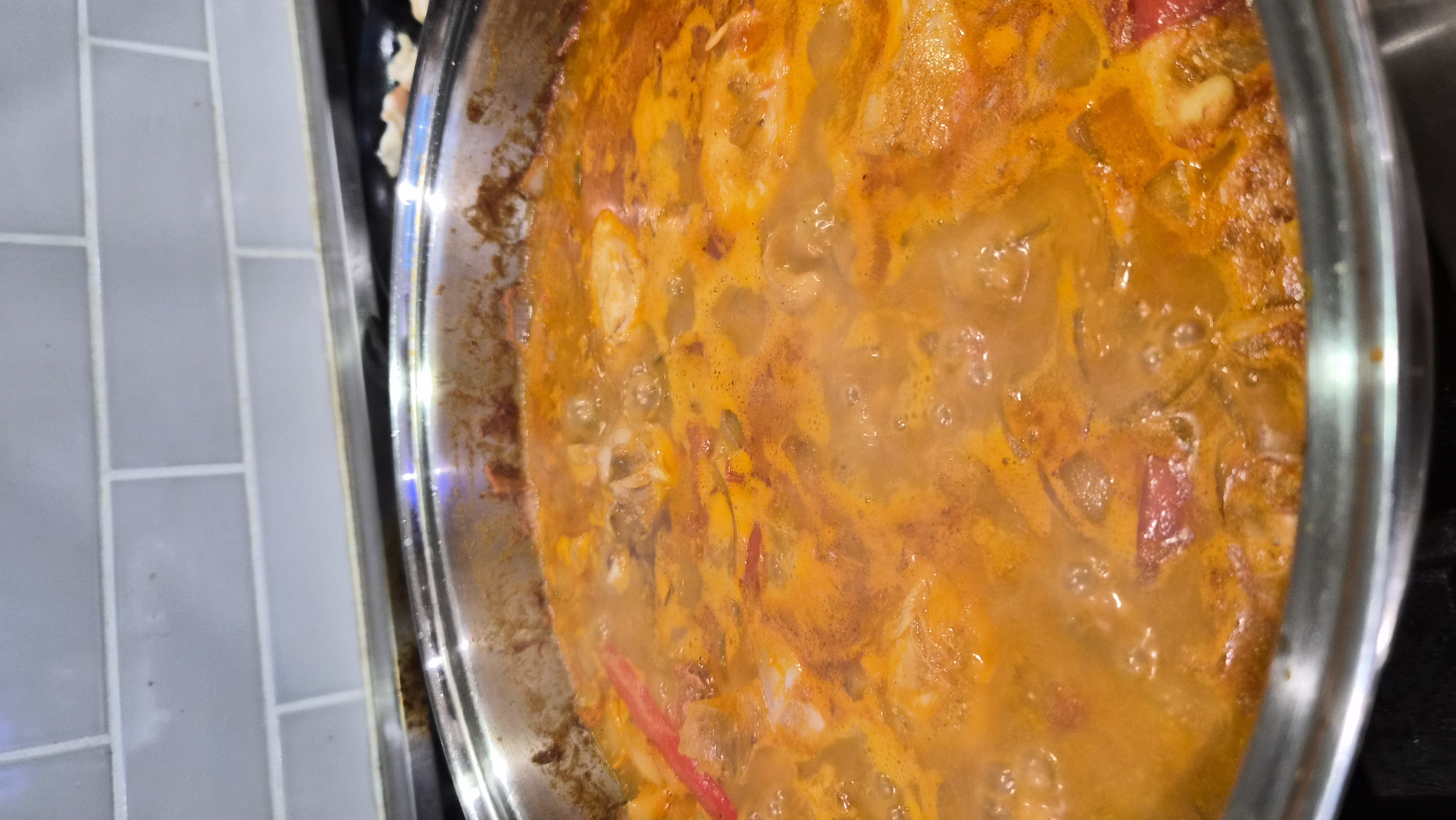
The recipe called for twenty minutes on the rice, but on the wok burner — the hottest one on the stove — it was actually done closer to fifteen. They followed the video's stated timing exactly, missing the signals a more experienced cook catches automatically, like the smell right before rice scorches. By the time they caught it, it had already burned, and the kitchen faced a two-hour battlefield.
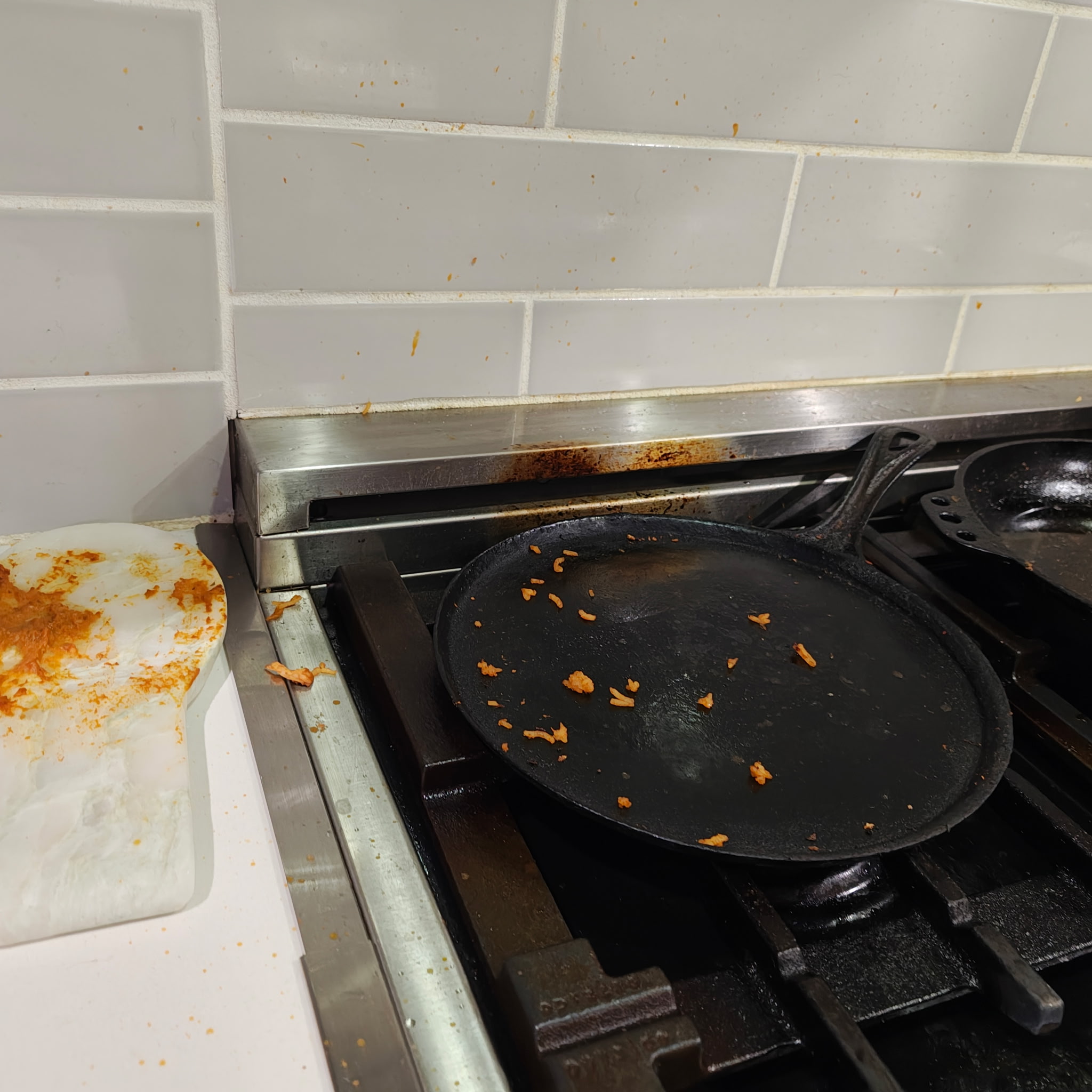
But the meal — burned bottom aside — was genuinely good, and it fed our family of five for days. And now that cook has something a recipe alone can't give: a specific, hard-won piece of experience to bring to the next attempt, whether it's the same dish or a different one.
I don't think that overzealousness is a flaw. I think it's a product of what this generation grew up watching. This is a generation raised on recipes compressed into 30-second clips — a whole braise or a whole dough process collapsed into something that looks fast, clean, and achievable (the direct opposite of what actually happened). Of course they walk into a hard dish overzealous. Compare that to how I learned butter chicken, before short-form video existed: started from a close friend's mom's verbalized recipe sent to me via text, then moved to long-form YouTube videos that I'd study closely, plus various recipe blogs I'd cross-reference against each other, piecing technique together across sources rather than absorbing it in one thirty-second hit. That difference in how we each came up probably explains the gap in gauging difficulty.
That contrast is, I think, the most honest way I can describe the gap between how I approach cooking and how the next generation does. I respect perceived difficulty. They seem almost immune to it. There are dishes I still haven't attempted — like tamales and beef wellington — purely because I've decided in advance they're too hard. I wouldn't be surprised if my Gen Z crew looked at either one and just said, "send me a cook request, I got you."
So maybe it was never about confidence at all. The desire to make something can arrive before the part of your brain that's supposed to ask "is this too hard for me?" ever gets the chance to speak up. You can watch how Sarah does that herself here → — burned rice and all. The dish, still good. Saltpig is where we're betting that desire gets you further than confidence ever did. Download Saltpig →
Keep reading
- ·5 min read
Cooking Is a Decision: Ten Weeks In, Here's What We're Learning
Ten weeks post-launch, our cook-through rate is still low. Maybe a saved-recipe collection isn't a to-do list at all — maybe it's more like a shoe collection.
- ·4 min read
I Cooked Your Recipe, But You'll Never Know.
I cooked your recipe — and you'll never know I did. That's the gap every food creator lives with: platforms count the saves, but never the meal that actually got made. Here's the loop saltpig was built to close.